Ads do not fix a confusing website
Paid ads can be useful, but they are not magic. They mostly do one thing: send more people to the page you already have.
That is good news if the page is clear. It is expensive news if the page is confusing.
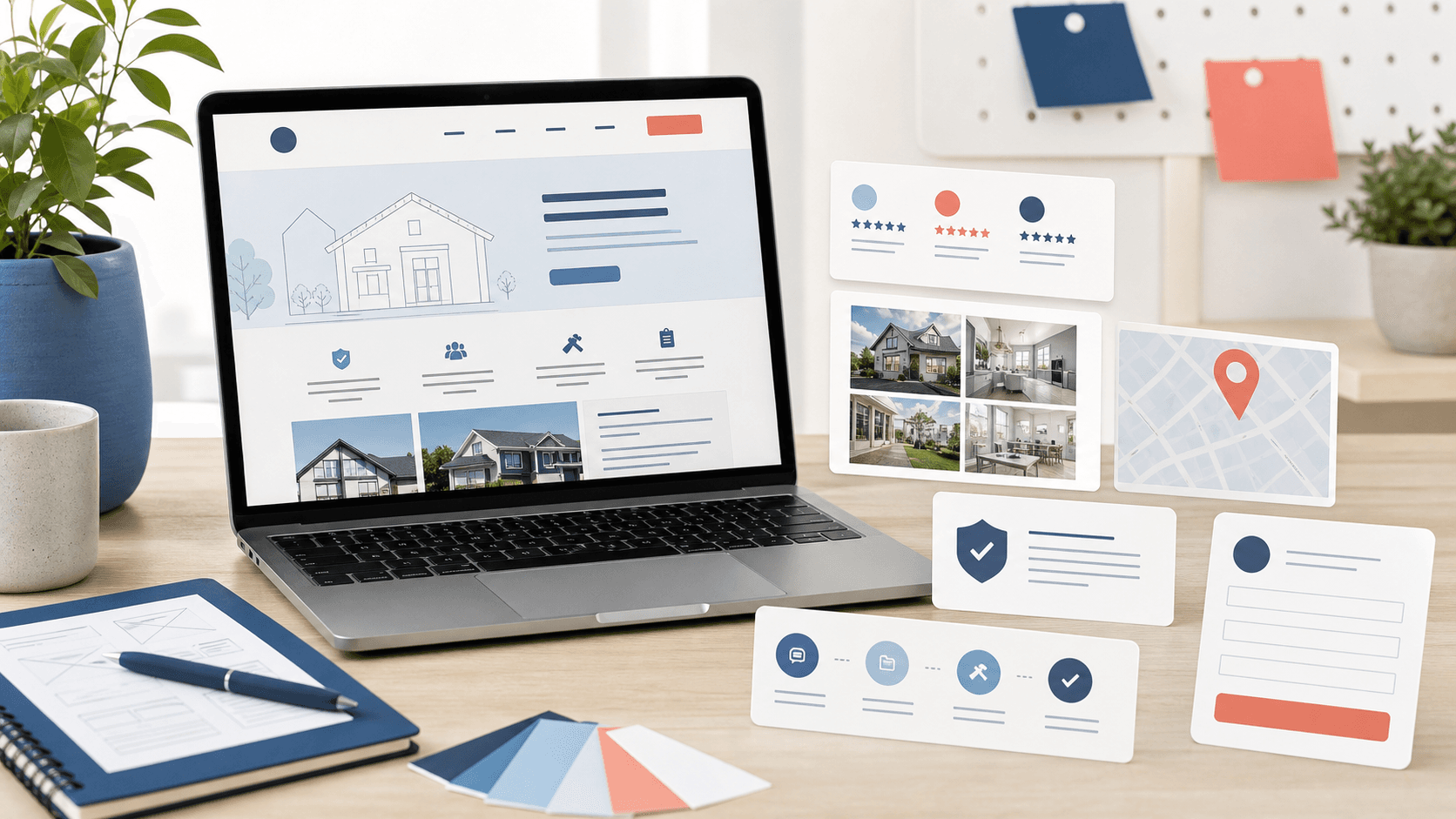
Before a local business spends money on clicks, the website should already answer the basic questions a buyer has in the first minute. What do you do? Where do you do it? Why should I trust you? What should I do next?
If those answers are hard to find, ads will not solve the problem. They will expose it.
Make the offer obvious before anything else
The first screen of the site should not make visitors decode the business.
A strong small business website should quickly say:
- what service or product is being offered,
- who it is for,
- where the business serves customers,
- and what action the visitor should take.
That sounds simple because it is. But many websites start with vague copy, oversized decoration, or a slogan that only makes sense after someone already knows the company.
Ad traffic is usually impatient. A visitor who clicked for "emergency roof repair" or "lunch catering near me" should immediately see that they landed in the right place.
Match the ad promise to the landing page
One of the fastest ways to waste ad spend is to send every click to the homepage.
The homepage can work for general brand traffic. It is often weaker for a specific ad because the visitor has a specific reason for clicking. If the ad promotes drain cleaning, catering, a free estimate, direct ordering, or a seasonal service, the landing page should continue that exact conversation.
That does not always require a complicated campaign. It may mean creating one focused section or page that explains:
- the service,
- the area served,
- the common questions,
- the proof or trust signals,
- and the next step.
The goal is continuity. The visitor should feel like the page kept the promise the ad made.
Fix the mobile path first
Most local business ads are judged on a phone. That means the mobile version of the site is not a secondary detail. It is the real sales floor.
Before launching ads, test the site from a phone and ask:
- Can a visitor read the headline without zooming?
- Can they call, request a quote, book, or order without hunting?
- Does the page load quickly enough to feel trustworthy?
- Are forms short enough for a busy person to finish?
- Does the menu stay out of the way when someone is trying to act?
If the mobile site feels cramped, slow, or uncertain, fix that before paying to send more people into it.
Answer the questions that block contact
A visitor usually does not become a lead because the website was pretty. They become a lead because the site removed enough doubt.
For a service business, that may mean answering:
- What services do you handle?
- Which areas do you serve?
- Do you offer emergency work?
- How does someone request an estimate?
- What happens after they submit the form?
For a restaurant, it may mean making the menu, hours, location, pickup, delivery, and direct ordering path obvious.
For a consultant or specialty business, it may mean explaining who is a good fit and what the first conversation looks like.
You do not need to answer every possible question. You do need to answer the questions that keep a serious buyer from taking the next step.
Choose one primary conversion action
A website can have several ways to contact the business, but the page should still have a primary action.
For many local service businesses, that action is:
- Request a quote
- Call now
- Book an appointment
- Order online
- Get started
When every button looks equally important, nothing feels important. A good landing page gives the visitor a clear path and then supports it with secondary options like phone, email, directions, or FAQs.
This is especially important before ads because paid traffic needs a clean measurement path. If the business cannot tell what a good lead did on the site, it will be harder to know whether the ad spend is working.
Do not ignore the trust layer
Trust does not have to mean a huge portfolio or a wall of logos. For a small business, it often starts with basics:
- accurate contact information,
- real service descriptions,
- clear location or service-area details,
- photos that feel relevant,
- reviews or testimonials when available,
- and a site that looks maintained.
Outdated hours, broken links, blurry menus, old announcements, and abandoned pages all create friction. They make visitors wonder whether the business will be just as hard to deal with after they reach out.
Before buying traffic, clean up those signals.
A better website makes ads easier to learn from
The best reason to fix the website first is not perfection. It is learning.
When the site is clear, paid ads can tell you something useful. You can test which services get interest, which locations respond, which offers create better leads, and whether the phone or form path performs better.
When the site is weak, the data gets muddy. A bad result might mean the ad was wrong. It might mean the landing page was wrong. It might mean the mobile form broke the flow. The business ends up guessing.
That is why website work should come before serious ad spend. It gives the campaign a fair chance.
Where Blue Penguin fits
Blue Penguin is built for this kind of practical foundation. The goal is not just to make a site look new. It is to give the business a clear online home that can handle discovery, trust, contact, and future growth.
That matters because many owners do not want to coordinate design, hosting, domain setup, maintenance, and technical cleanup before they can even test ads. Blue Penguin handles those pieces together, with simple pricing: $200 to launch, $30/year after that, a three-month satisfaction guarantee, and negotiation available when the project scope genuinely needs it.
The same foundation can also grow. If the business later needs direct restaurant ordering, a customer portal, custom software, or a mobile app, the work does not have to start over with a new vendor.
Fix the page before you buy the click
Before paying for ads, walk through the site like a customer who has never heard of the business.
Can you understand the offer quickly? Can you act from a phone? Does the page match the promise that brought you there? Are the trust signals current? Is the next step obvious?
If the answer is no, fix the website first.
If you want a site that is ready for real traffic, start with Blue Penguin's get started flow. If search visibility is the bigger near-term priority, read what local SEO actually needs on a small business website.